-

10 March 2026
Clergy spend day focussed on climate care
Clergy and Readers from across our diocese focussed on creation care for the latest Bishop’s ... read more
-
3 February 2026
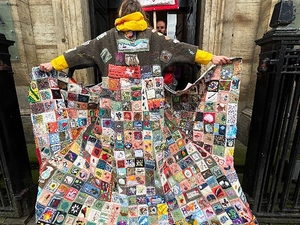
Special coat visits cathedral and island
An unusual visitor is coming to our cathedral and also travelling around the Isle of ... read more
-
22 January 2026
Parishes pledge deeper collaboration towards creation care and decarbonisation
Parishes from the Dioceses of Guildford, Portsmouth, Chichester and Winchester gathered for a joint conference ... read more
Parishes pledge deeper collaboration towards creation care and decarbonisation
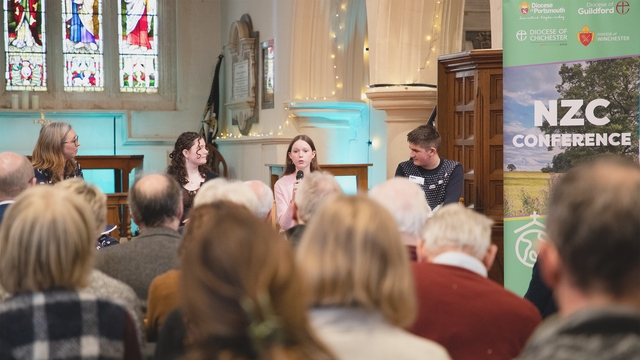
PARISHES from the Dioceses of Guildford, Portsmouth, Chichester and Winchester, and beyond, gathered for a joint conference designed to raise hope and strengthen collaboration in caring for God’s creation.
Over 150 delegates attended, returning home inspired by real examples of churches striving towards net zero, practical guidance on securing grant funding, and a powerful address from a group of young Christians who spoke about why creation care is central to their faith.
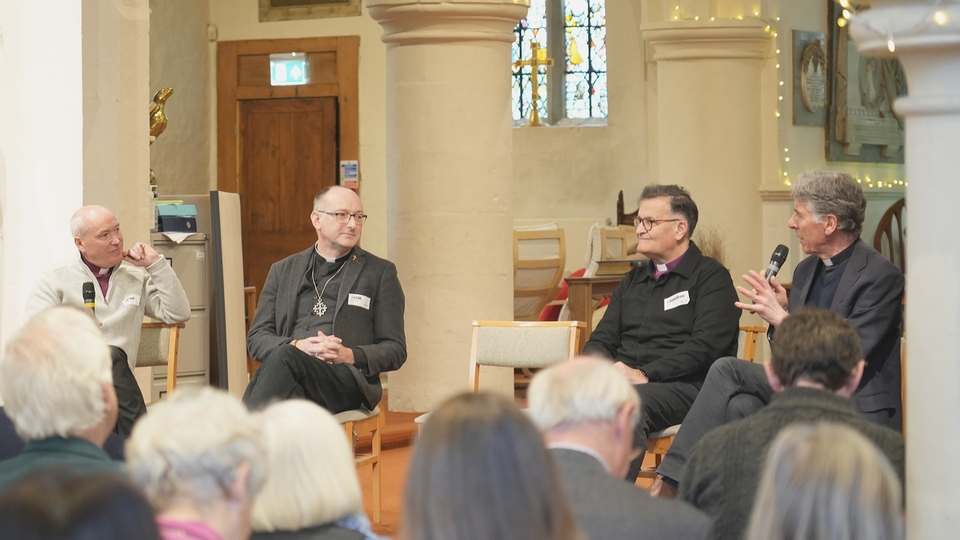
The conference opened with the Rt Rev Paul Davies, Bishop of Dorking, who led a panel discussion with the Rt Rev Dr Jonathan Frost, Bishop of Portsmouth, the Rt Rev Will Hazelwood, Bishop of Lewes, and the Ven Richard Brand, Archdeacon of Winchester. Together they outlined their climate vision for the next decade and emphasised that caring for creation is deeply woven into all Five Marks of Mission.
They reflected on how conversations with global Anglican partners – many ministering in communities facing landslides, wildfires, flooding and repeated evacuations – bring the urgency of climate action into sharp focus. The panel also stressed the need for the Church to speak with a stronger, more united voice on environmental protection at a time when many Western governments are retreating from the issue.
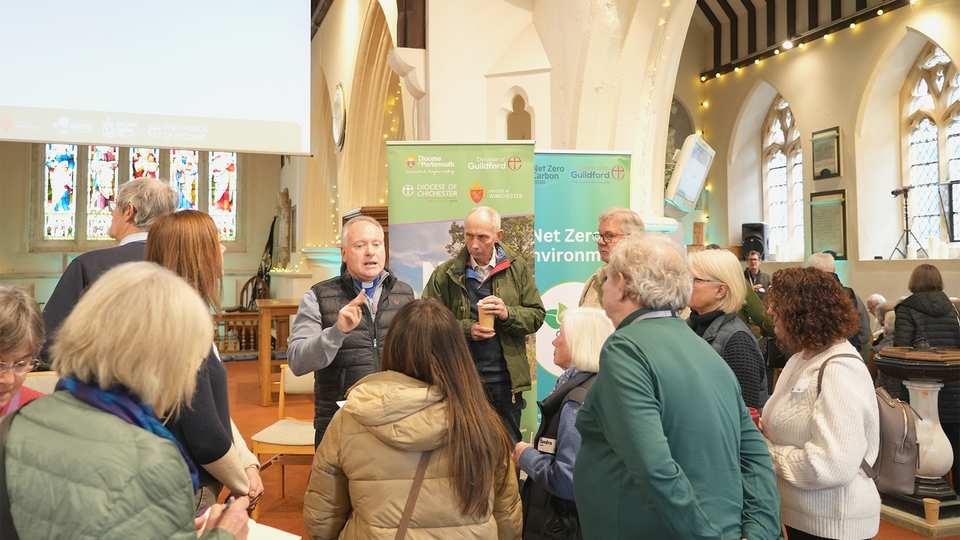
The conference was hosted at St John’s Church, Stoke, in the Diocese of Guildford. The church is currently undertaking ambitious work as part of its pathway to net zero. Project Manager Dave Curran explained that the team’s vision extended far beyond energy efficiency: they are reshaping their buildings for mission – enhancing worship, strengthening outreach, and better serving the local community.
Delegates toured the site to see newly installed efficient heating, solar panels, and structural improvements designed to bring more light, space and flexibility to the building.
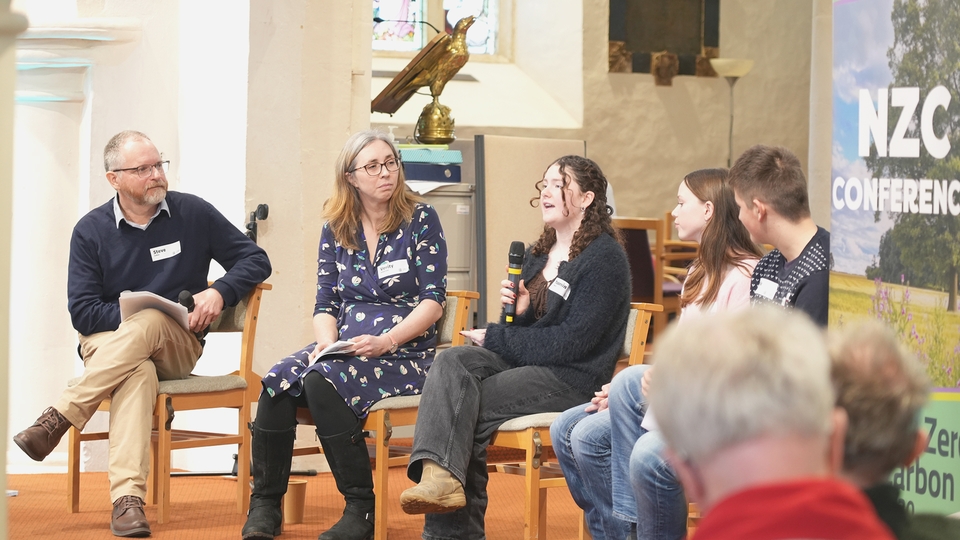
A highlight of the day was hearing from a group of teenagers from Haslemere Parish, who have been instrumental in championing creation care locally. They spoke movingly about how their faith has grown through engaging with nature – whether leading litter picks, planting wildflower verges, or encouraging their church community to live more sustainably.
They urged church leaders to involve young people more fully in environmental decision-making, arguing that meaningful collaboration across generations would help churches achieve far more.
Despite acknowledging the scale of environmental damage, the young speakers offered a hopeful message: churches should not be shamed by what they haven’t yet done, but inspired by Jesus’ teachings to take the next step – reducing their carbon footprint and marking an annual day to celebrate churches’ environmental action as part of Creationtide season.
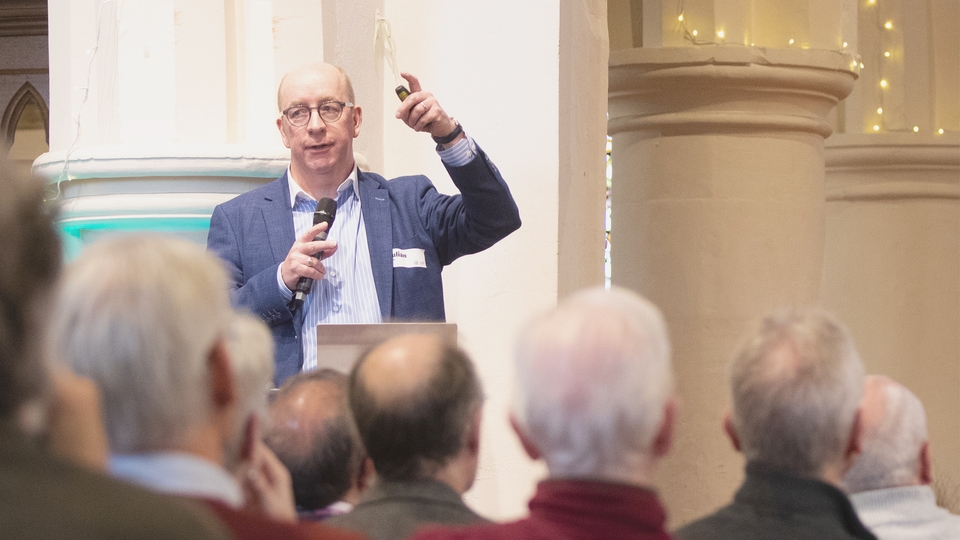
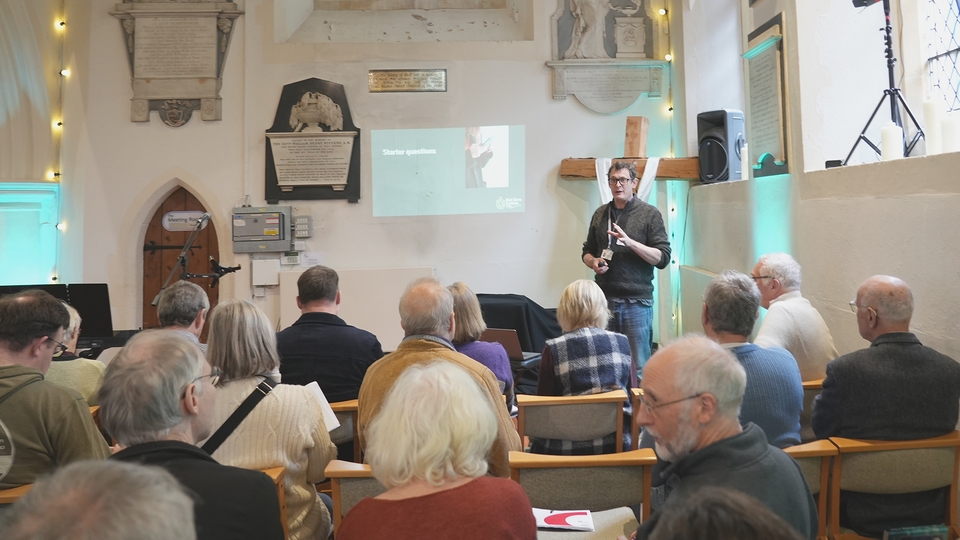
Delegates also heard from Julian Atkins, Head of the Church of England’s Net Zero Programme, who provided an update on the national commitment to achieving net zero carbon by 2030. Midday prayer was led by Bishop Richard Cheetham, with worship supported by Kate Flanders, Youth Catalyst Worship Lead.
Afternoon breakout sessions explored how churches can communicate effectively about climate change, advocate for creation alongside organisations such as A Rocha and Christian Aid, and strengthen environmental partnerships with local church schools.
Throughout the day, the tone remained hopeful. Parishes from the four dioceses were encouraged to spend time learning from one another and sharing environmental initiatives that have worked well in their contexts.
There was also collective recognition that reducing carbon footprints and improving environmental practice requires significant resourcing. The bishops agreed that a key follow-up action would be to make a joint case to the Church Commissioners, asking for increased funding for net zero work ahead of the next Triennium.
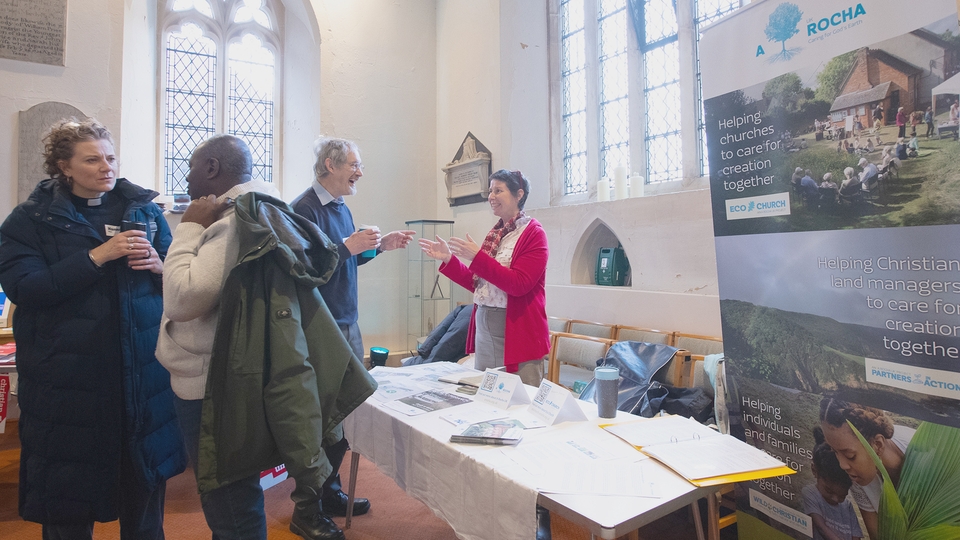
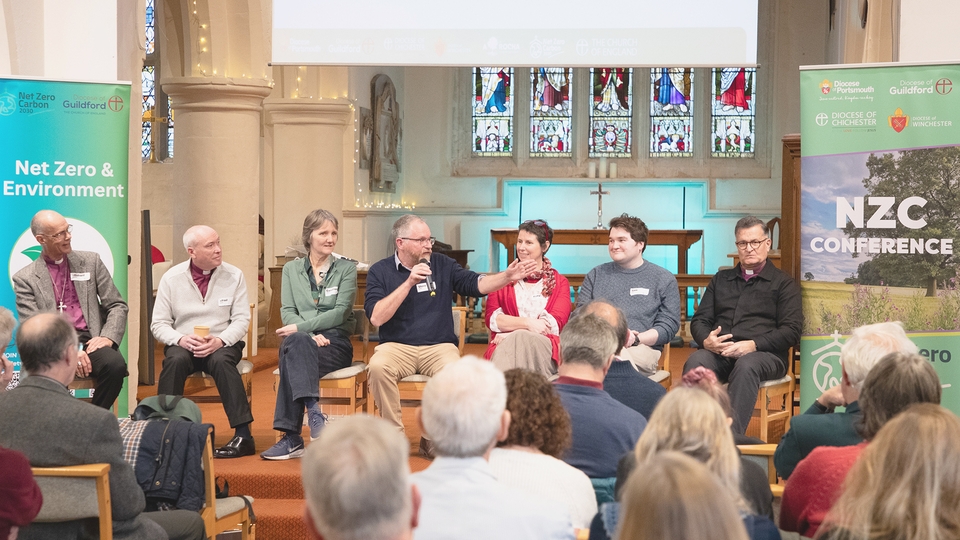
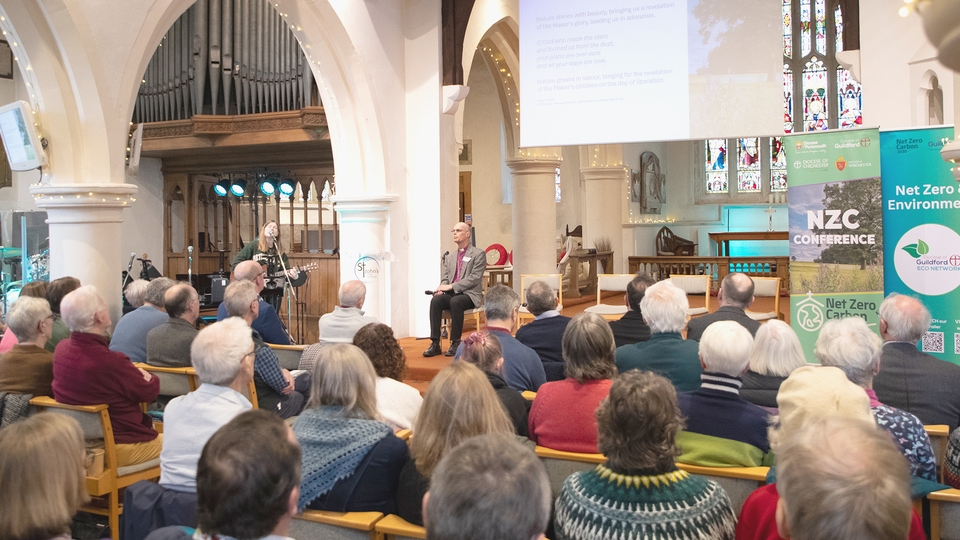
Bishop Jonathan said of the day: “I found today’s conference, that brings together our consortium, hugely inspiring. Not because of great statements, or huge leaps forward – though there have been many wonderful leaps forward and things shared here – but because of the commitment of so many who gathered, quietly in their parishes and communities, to take the next right step, the next step forward.
“There is, for me, an ever stronger sense that as we put Jesus at the centre of things, so we put ourselves at the centre of his concerns. He sustains all things, and to be a church that is Jesus centred and seeking the kingdom is to care for the priorities that he has. I met a clergy colleague today who leads a small church with such prayerfulness and a vision for the creation, and what he is finding is that – as they've put the needs of creation to the foreground, and the needs of the environment, and as they’ve taken steps towards a greener, more sustainable, and more just future – the other dimensions of mission are coming to play. So much to inspire.”
Rt Rev Paul Davies, Bishop of Dorking said: “My prayer is that of Pope Francis – that there might be a worldwide ecological conversation, as more and more people wake up to the urgency of creation care and climate action. I am so encouraged by the commitment of our own parishes and our diocesan team to caring for the environment and learning from one another.”
Speaking about his vision for the next ten years, the Ven Richard Brand, Archdeacon of Winchester added: “I would love Christians to see creation care as a joy to be shared rather than a burden to be carried, to celebrate the joy in safeguarding the beauty of what God has created.
“I think that at a time many Western governments are retreating from the climate debate, the Church has an opportunity to step in and be a prophetic voice on the damage that is being done and what we can do to make a difference for good. Working together with young people in our church schools too, we really can be a louder voice that people listen to.”