A Church responding
The roots of this work go deep. For many years, parishes across the Church of England have been quietly getting on with creation care – growing wildflowers in their churchyards, switching to Fairtrade, pursuing Eco Church awards, planting trees, reducing energy use, and weaving care for God’s world into their worship and teaching. That patient, faithful groundwork has laid the foundation for what is now a national movement.
 In February 2020, the Church of England’s General Synod passed a motion calling on all parts of the Church to achieve net zero carbon by 2030 – recognising that the global climate emergency is a crisis for God’s creation and a fundamental injustice. In July 2022, Synod endorsed the Net Zero Carbon Routemap – a detailed, practical plan setting out milestones for churches, dioceses, cathedrals, and schools on the journey to net zero. At the same time, the Church Commissioners committed £190 million over a nine-year programme to help dioceses and parishes make the changes needed, funding capacity, pilots, and practical support to decarbonise buildings across all 42 dioceses.
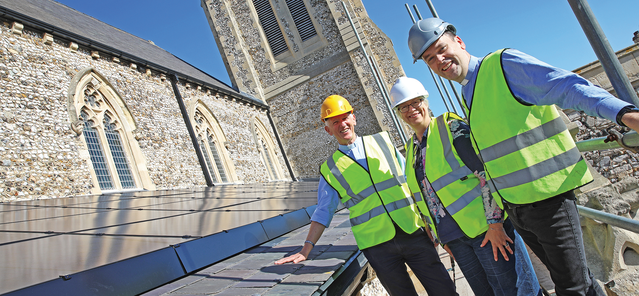
The momentum is real and it is building. More churches than ever are working to decarbonise their buildings, switching to renewable energy, caring more thoughtfully for their land and churchyards, and weaving creation care into their worship and common life. Climate Outreach’s Britain Talks Climate & Nature 2025 – the most comprehensive exploration of how people in Britain think and feel about climate and nature, based on surveys of over 7,000 people – shows that community-based voices are among the most trusted in the country when it comes to climate action. People respond powerfully when the climate story is told through the lens of what it means for their homes, their neighbourhoods, and the places they love. Churches are extraordinarily well placed to be exactly that kind of voice.
Here in Portsmouth, we have seen what that momentum looks like in practice. Our diocese has achieved 100% completion of the Energy Footprint Tool for three consecutive years – a record matched by no other diocese – and parishes across the area are installing solar panels, switching to LED lighting, and discovering that caring for creation and caring for their communities are the same calling.
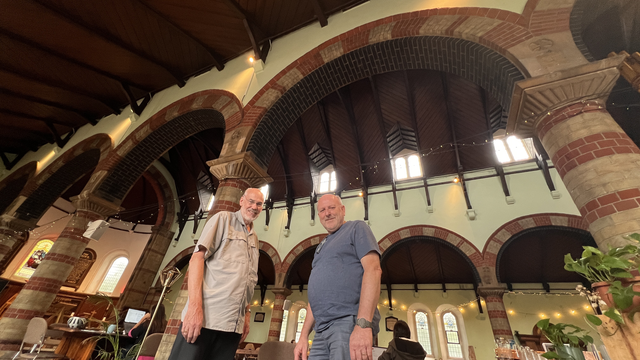
Where do you want to start?
- Is your church working towards an Eco Church award?
Visit our Eco Church page.
- Looking for practical help reducing your church’s carbon footprint?
Visit Caring for our buildings: decarbonisation.
- Need to complete the Energy Footprint Tool for your parish?
Visit the Energy Footprint Tool page.
- Need worship and study resources for your congregation?
Visit Resources and Inspiration.
- Planning something for the Festival of Creation in Christ?
Visit our Creation in Christ page.
- Interested in joining our network of Creation Care Champions?
Visit the Creation Care Champions Network.

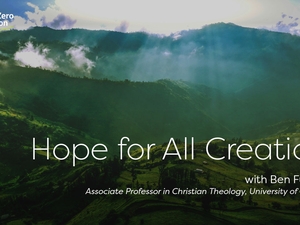
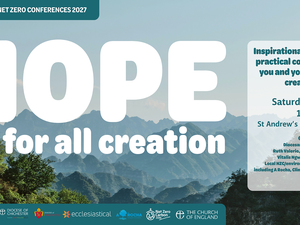
Hope for All Creation
In June 2026, the House of Bishops published Hope for All Creation – a landmark teaching document setting out the Church of England’s theological response to the climate and nature crises. Unanimously endorsed by the bishops and welcomed at General Synod in July 2026, it is the most significant statement the Church of England has made on creation care, and it shapes everything we do in this diocese.
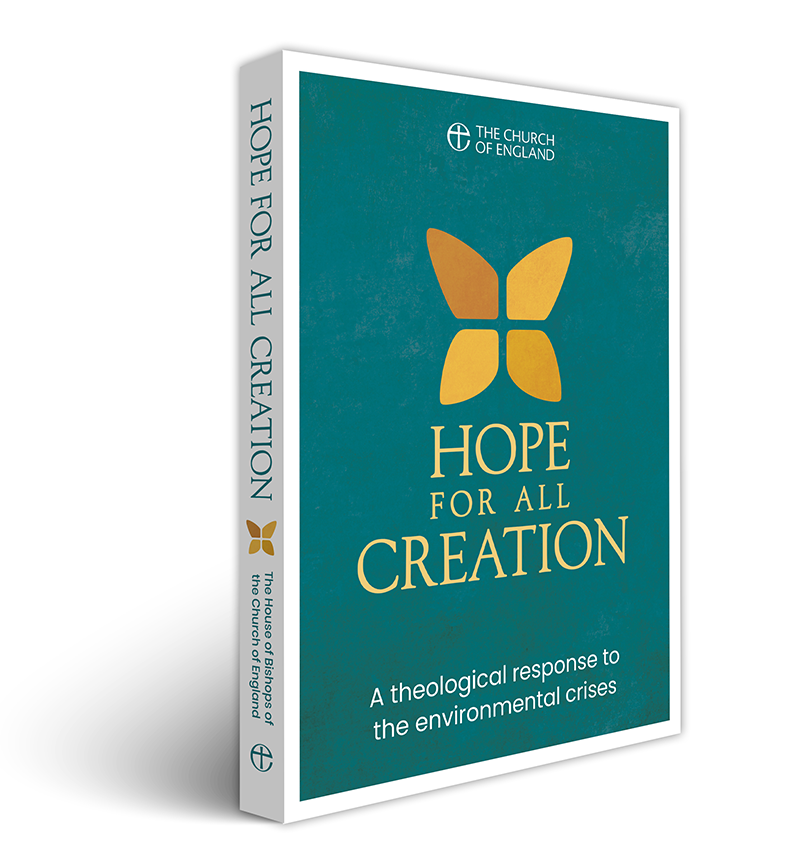 Hope for All Creation draws on Scripture, tradition, and reason to make the case that caring for creation is not an optional extra for Christians – it is intrinsic to the gospel. The document calls the Church to a posture of lament, repentance, hope, and action. It frames creation care not as a programme to be managed but as a vocation to be lived, rooted in the belief that God loves and is redeeming the whole of creation, not only humanity. It also provides a framework for how the Church responds: through worship and prayer, through the transformation of our buildings and land, through advocacy and engagement with the world, and through the choices we make in everyday life.
Watch the video below for a short introduction to Hope for All Creation by one of the editors.
Our commitment as a diocese
Our Environment Policy, first agreed in 2008 and updated in 2026, commits the Diocese of Portsmouth to playing its part. We believe that creation care is an expression of our faith, not a distraction from it – and that our churches, in their buildings, their land, their worship, and their common life, have a distinctive and important role to play.
Eco Church
The Eco Church award scheme, run by A Rocha UK, gives churches a practical framework for caring for God’s earth across every area of church life – worship, buildings, land, community engagement, and lifestyle. In our diocese, 31 churches have already received at least a Bronze award.
Find out how your church can take part on our Eco Church page.
Caring for our buildings: decarbonisation
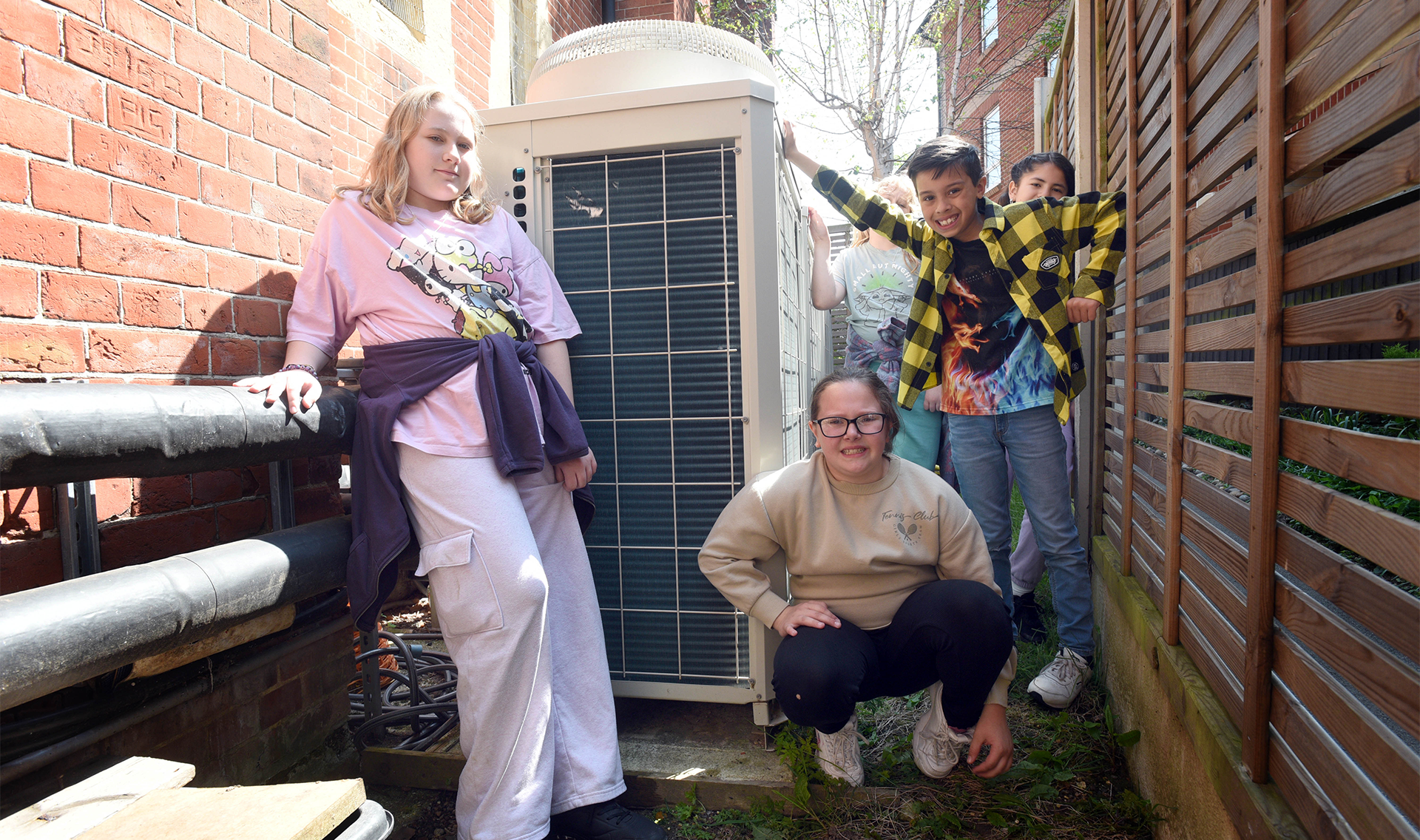
The Church of England has committed to reaching net zero carbon by 2030. For our parishes, that means taking practical steps to reduce the carbon our buildings produce – from improving insulation and switching to LED lighting, to exploring heat pumps and solar panels.
We are here to help every church in the diocese on that journey, whatever stage you are at. Find resources, guidance, and support on our decarbonisation page.
Energy Footprint Tool
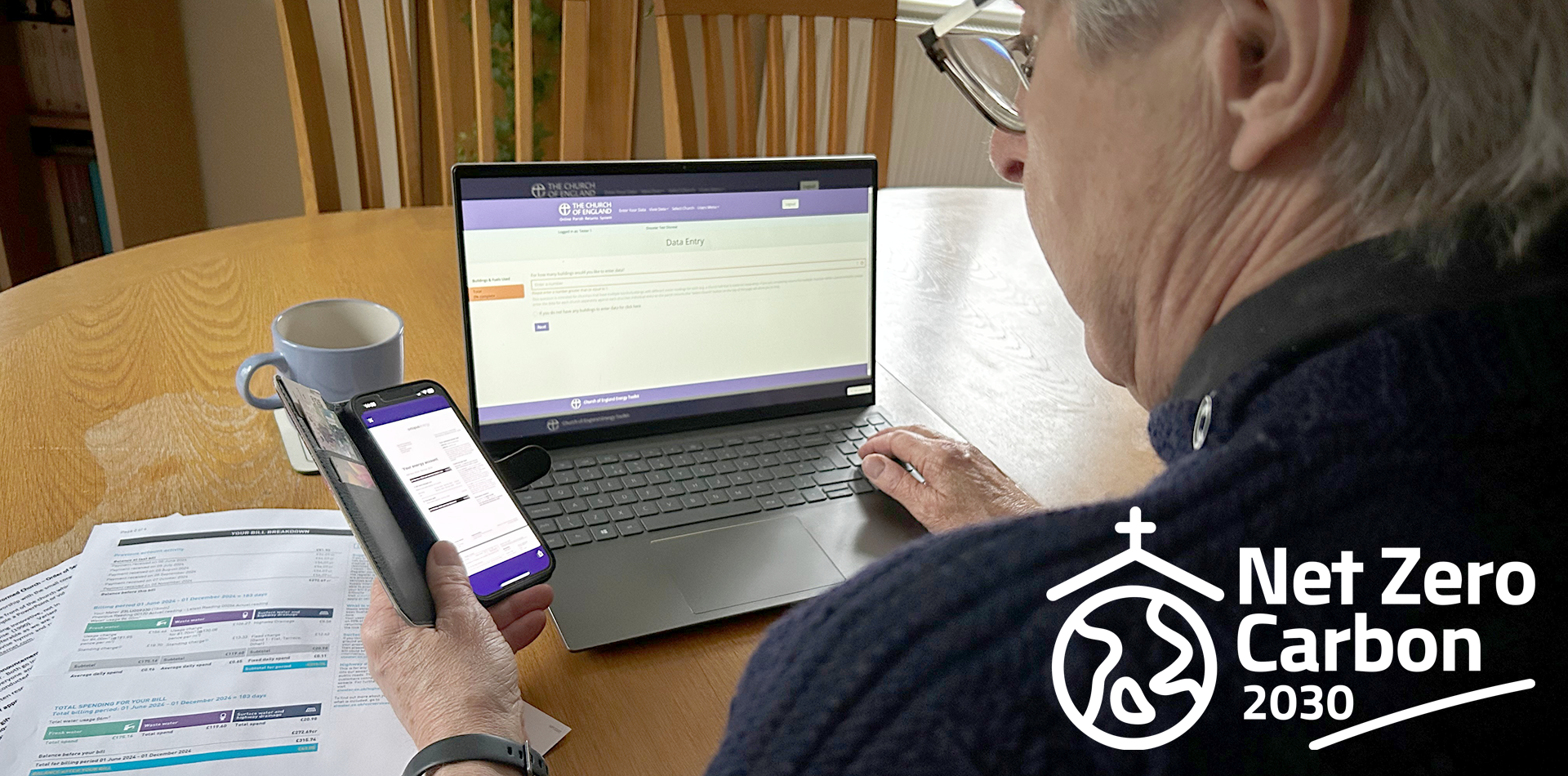
One of the most practical and important steps any parish can take is to complete the Church of England’s Energy Footprint Tool (EFT) each year. It calculates your church’s annual carbon footprint from its energy usage, helps you understand where your emissions come from, and forms the basis for any decarbonisation action plan. Completing the EFT may also unlock eligibility for grant funding. Find out more on our Energy Footprint Tool page.
Stay connected
Sign up to our Creation Care newsletter for regular updates, resources, and news from across the diocese.
Diocesan Environment Officer

David Cain
Helping parishes to measure their carbon consumption, and gain access to grants, advice and support that can help churches to reduce their reliance on carbon consumption.
T: 023 9289 9687
E: email
Net Zero Carbon & Communications Officer

Matt Lockwood
Working with the DEO to engage with and support parishes with creation care and initiatives to decarbonise.
T: 023 9289 9675
E: email