Caring for Our Buildings: Decarbonisation
 The Church of England has committed to reaching net zero carbon by 2030 – a challenging goal that requires action across our buildings, vicarages, schools, and church activities. As a diocese, we are committed to helping every parish on that journey, with resources, advice, and support every step of the way.
Decarbonising our church buildings is not just a practical or financial challenge. It is an act of stewardship – of caring for the buildings entrusted to us, and of caring for the world that God loves. As we reduce our reliance on fossil fuels, we play our part in protecting creation for future generations.
You can read an overview of the national Church of England’s approach to decarbonisation here.
Our diocesan action plan
In November 2023, our Diocesan Synod agreed our Net Zero Carbon action plan, which sets out short-term, medium-term, and long-term actions to reduce our carbon emissions across the diocese. You can read the full action plan here.
Ten steps to get your church started
- Find people to work with. Decarbonisation is a big challenge to tackle alone – consider teaming up with another church in your deanery, or recruiting a passionate volunteer from your congregation or community.
- Browse our resources and case studies for inspiration and practical ideas.
- Register for Eco Church and look through the survey questions – they contain many simple, free actions your church can take right away.
- Start recording regular meter readings so you can track how much energy your church uses. Or get a smart meter to make it even easier.
- Complete the Energy Footprint Tool to get an annual carbon footprint report. This is a powerful tool for getting your PCC engaged and may unlock grant funding.
- Use the Church Heating Checklist to think carefully about how and when you heat your church. Is it the space or the people that need to be warm? Do you need heat all day, or just for services?
- Work through our Practical Guide to Decarbonisation for Churches – packed with tips, advice, a heating flowchart, and a step-by-step checklist.
- Get expert advice. Your DAC, your Quinquennial Inspection architect, or an independent energy auditor can give you a tailored summary of the measures most suitable for your church building.
- Check what grants are available on the Church of England website.
- Have a cup of tea and celebrate what you have done. Every step counts.
Energy audits
Much of the challenge of decarbonising our church buildings centres on heating systems and the way we use energy. We asked the University of Portsmouth to carry out energy audits on four churches – representing a range of building types, settings, and congregation sizes. Download the audit most similar to your own church and see what it says.
- St Mary’s Church, Fratton, Portsmouth
- St Peter and St Paul Church, Hambledon
- St Alban’s Church, West Leigh
- St Jude’s Church, Southse
Practical examples from our parishes
Halo heating
Shadow Industrial installed halo heaters at St Peter & St Paul’s Church, Fareham, producing a video showing the journey from consultation to installation. Their chandelier-style fittings combine subtle infra-red heating with lighting – heating the people directly beneath them rather than the whole building, which significantly reduces energy use. Contact David Cain if you would like to explore this option for your church.
- Watch a video about the halo heaters at St Peter & St Paul’s Church, Fareham
- Watch a webinar about infra-red heating your church
- Find out more about Shadow’s infra-red heating chandeliers
Electric vehicle charging points
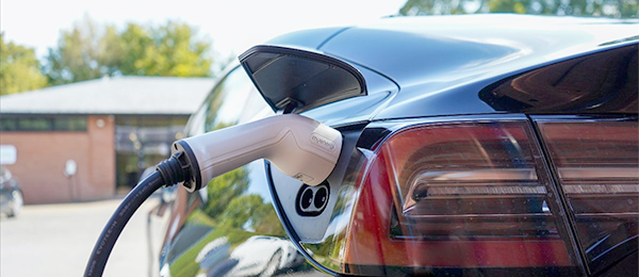
Parish Buying has a scheme to help churches generate income through the installation of EV charging points. Requirements include a minimum of two parking spaces and 24-hour public access to the car park. The charging points are managed by the operating company, and the church’s own electricity supply is not affected.
- Find out more and apply on the Parish Buying website
Further resources
Find more detailed guidance and support in these related pages:
- Energy Footprint Tool – measure your church’s annual carbon footprint
- Faculty permissions and decarbonisation – guidance on faculty requirements for building works
- Webinars – free online webinars on creation care and decarbonisation
- Conferences – reports and resources from our annual joint conference
Get in touch with David Cain or Matt Lockwood if you would like support.