-
13 October 2026
Emily spends a week seeing Tearfund's work in Rwanda
Our Director of Safeguarding Emily Hassan accepted the offer of Christian charity Tearfund to see ... read more
-
12 February 2026
LENT APPEAL: Giving hope to those working in sex industry
One of the three charities that will receive donations via the Bishop’s Lent Appeal this ... read more
-
10 February 2026
LENT APPEAL: Chance to see Tearfund projects in Rwanda
As part of our Bishop’s Lent Appeal for 2026, our Head of Safeguarding Emily Hassan ... read more
Emily spends a week seeing Tearfund's work in Rwanda
IT was a fantastic opportunity to see how funds raised by people in our diocese are making a difference to those in other parts of the world.
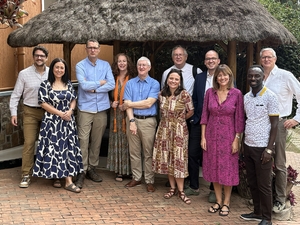
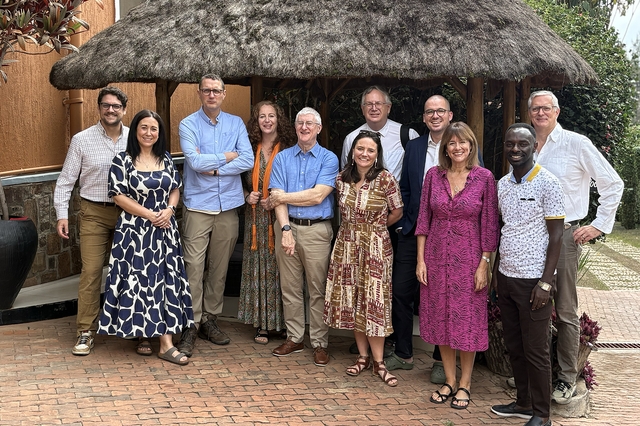
Christian charity Tearfund funded a trip for our director of safeguarding Emily Hassan to see the difference our money is making to people in Rwanda. She spent a week there from October 4-9, visiting Tearfund projects, along with church leaders from other parts of the UK (pictured above).
Worshippers across our diocese are supporting Tearfund via Bishop's Lent Appeals in three successive years, and some of the funds raised in our diocese has gone to support their work, helping local Christian leaders to make a major difference.
Tearfund works with partners in countries such as Rwanda, offering Biblical and practical teaching to Christian leaders, so they understand how to lift members of their community out of poverty. This is called 'church and community transformation' (CCT), and Emily saw the work of Tearfund partner Eglise Anglicane du Rwanda (EAR) with local church leaders.
The Anglican Diocese of Kigali has been a long-term partner for Tearfund and is committed to being a CCT-based diocese, rolling out the programme across their 200+ churches in all seven districts of Rwanda.
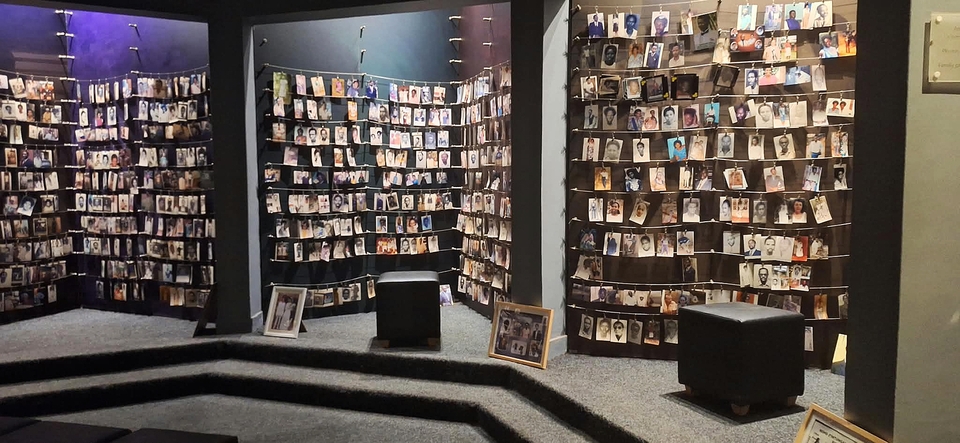
The trip began with a visit to the Kigali Genocide Memorial, which helps people to appreciate the scale of the Rwandan genocide in 1994. It is estimated that up to one million Rwandans were killed during 100 days of slaughter, largely by extremist Hutus who killed those from the minority Tutsi community, and also their political opponents of whatever ethnic origin. (You can read more details here)
Emily said: "The museum is very thoughtfully laid out, and takes you through the experience. Every member of the Tearfund team was in tears, especially after the final room where you see images of the children who were killed. You cannot see or appreciate Rwanda without seeing the museum.
"You ask yourself how people can hate other people so badly that they use machetes to slaughter them. Machetes are, of course, what people use to farm, so they are common enough tools in Rwanda. But people tortured their neighbours, they tortured children, they shared propaganda that described Tutsis as 'cockroaches', they said people were traitors if they married or went into business with a Tutsi, and there was sexual violence - people deliberately giving other people AIDS so the effects would be felt throughout generations. We even heard of clergy locking their congregations in churches and betraying them to the military, or burning the church down. Streets were littered with dead bodies.
"When the violence stopped, the new government then began a process of restorative justice. So, for instance, people who repented of what they had done would serve only half their sentence in prison and the other half serving their local community. There are amazing stories of people forgiving others. It's incredible to think that people were capable of such levels of forgiveness, given the barbarity of what had happened.
"So it's in that context that Tearfund are offering their church and community transformation (CCT) programme. They're training church leaders to help their local communities to help themselves. A group of villagers might get together and pool their resources in a self-help group. They might buy one cow and lend it out to each member of the group in turn - then each of those families can benefit from the cow's milk. I saw a 'cow-giving ceremony' in Shiyra diocese and the man receiving the cow had dressed up in a suit because it was so significant."
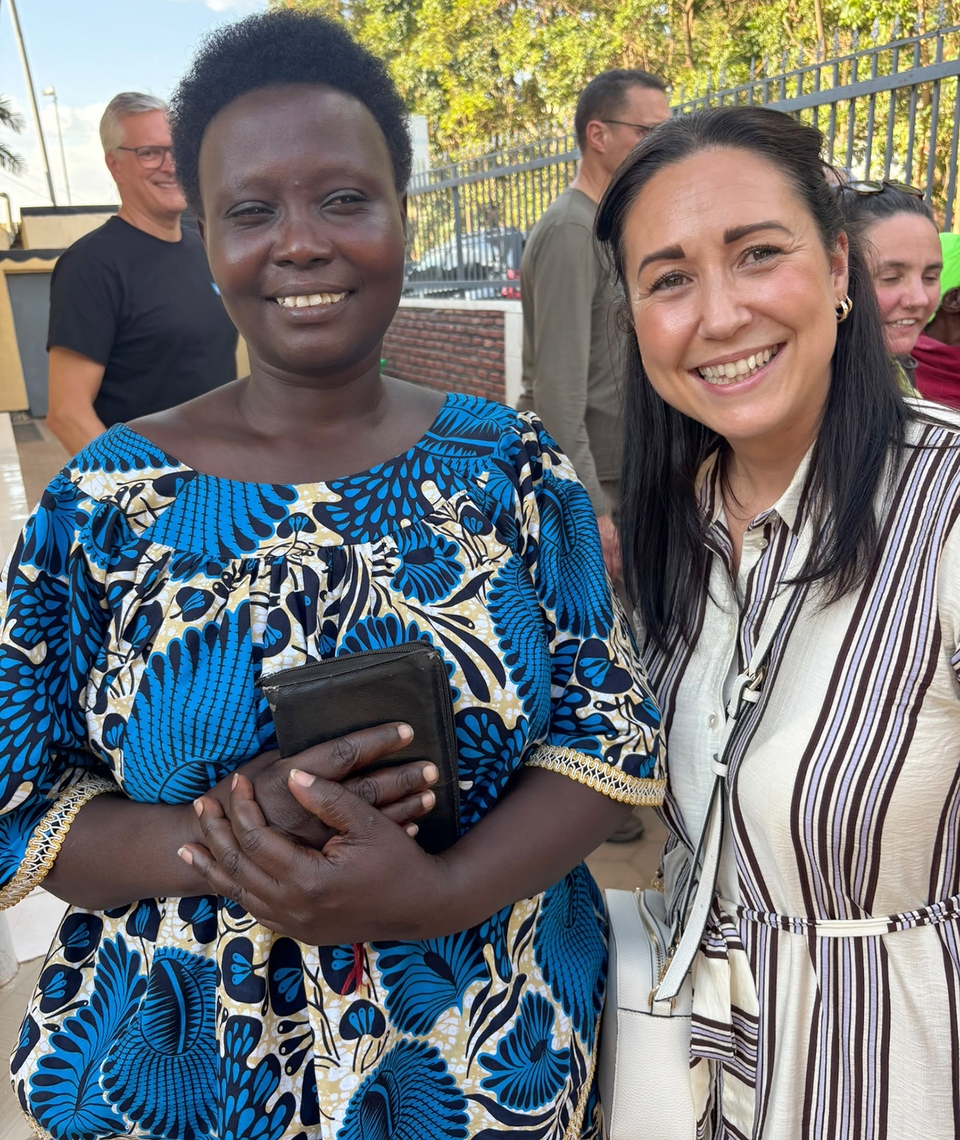
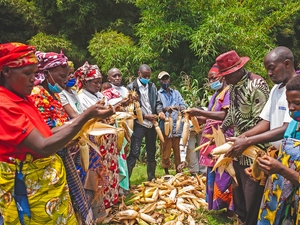
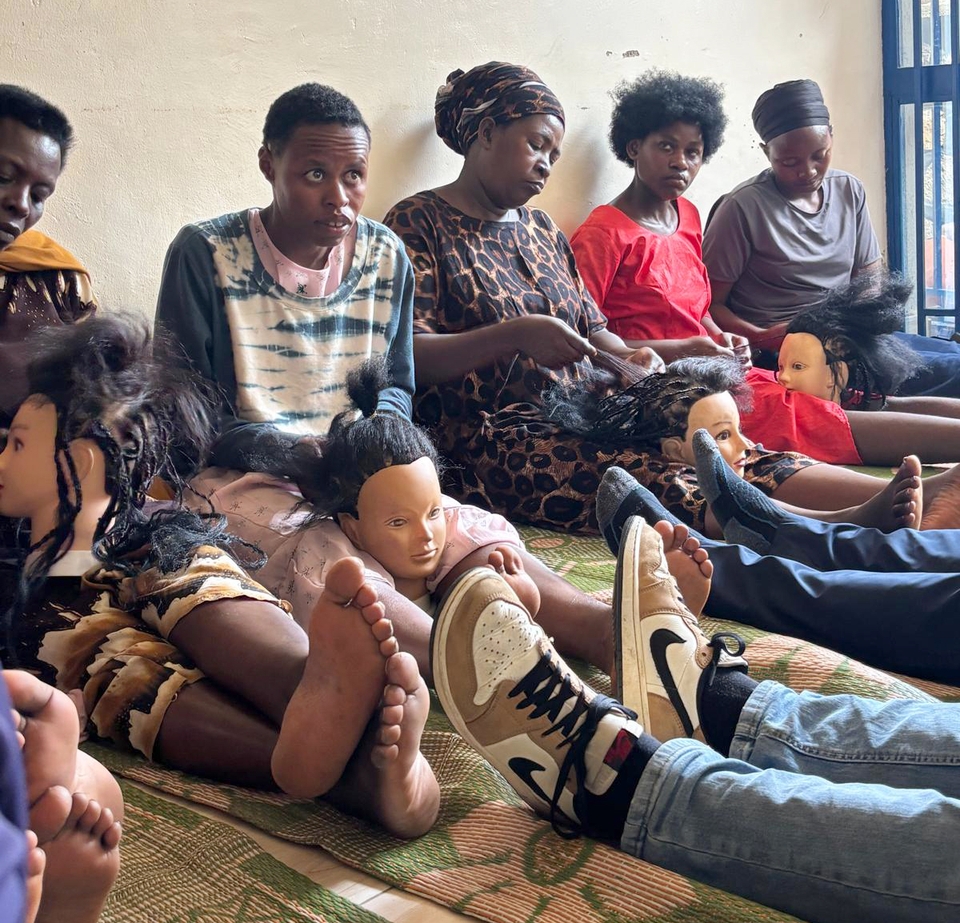
Seventy per cent of Rwandans depend on agriculture for their living, so the CCT approach often focuses on developing how an individual or family can grow an agricultural business. Emily saw one women who spent 25p a day buying fruit and then took that fruit to a market stall, to make very small profits. She also heard how small groups would use each other's skills and talents - so if one person learnt how to be a hairdresser, every member of the group would ask that person to cut or style their hair.
Tearfund has been working in Rwanda since 1968, and currently works in 12 districts across the southern and eastern provinces and in Kigali, through a network of local churches. To date, the charity has equipped 2,000 local churches and aim to reach 4,500 local churches by 2027. Emily spent the start and end of her time in Rwanda in the Kigali diocese, but ventured north into the district of Burera and the town of Kinigi, both near the border with Uganda.
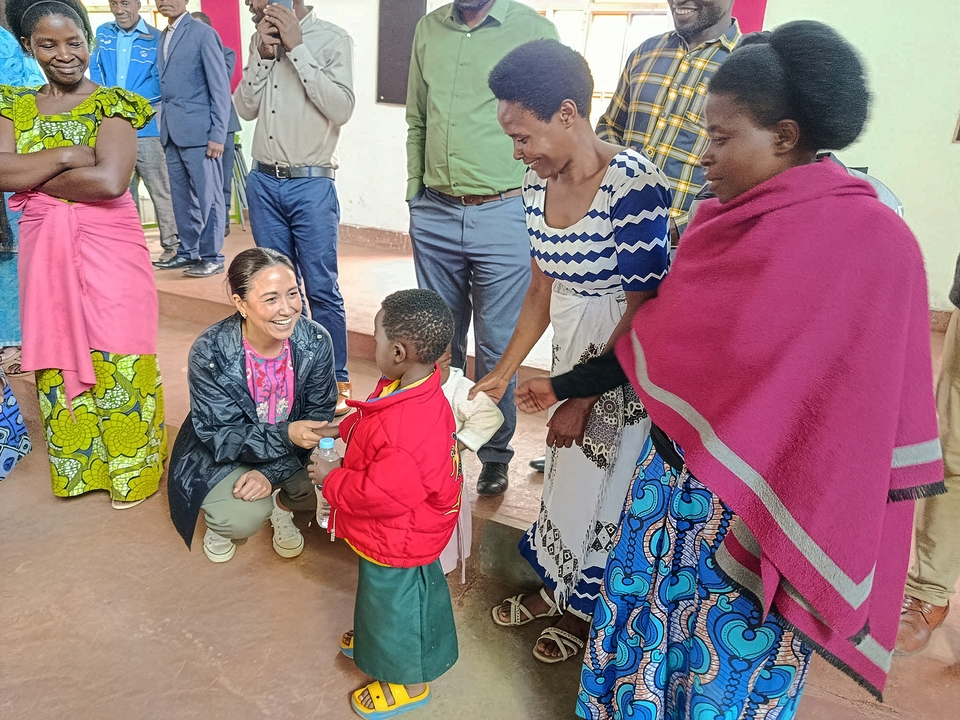
On one of the days in the Kigali diocese, she visited a project set up by the local Mothers' Union in Souter to help women with disabilities. Some were learning to be hairdressers and some were learning to sew and make dresses. The Tearfund team was greeted with singing and dancing as they arrived.
Emily also met Betty in the city of Kigali, whose family had been murdered and who had turned to prostitution to pay the bills and ended up as a drug addict. Her life had now been transformed through Tearfund's CCT programme, and she was now part of Seira Community Church in the Kimisagara sector of Kigali.
"One of the things that struck me was that she had fallen pregnant at the age of 17, and I also happened to be pregnant at 17," said Emily. "So I felt there was some common ground there, and I sensed that God wanted to tell her that she shouldn't be ashamed of what happened."
In Shiyra diocese, she visited a church that had been rebuilt, but where heavy rain was leaking through the roof. She didn't initially understand why the worshippers were singing and dancing until she realised they were thanking God for sending much-needed rain for their crops.
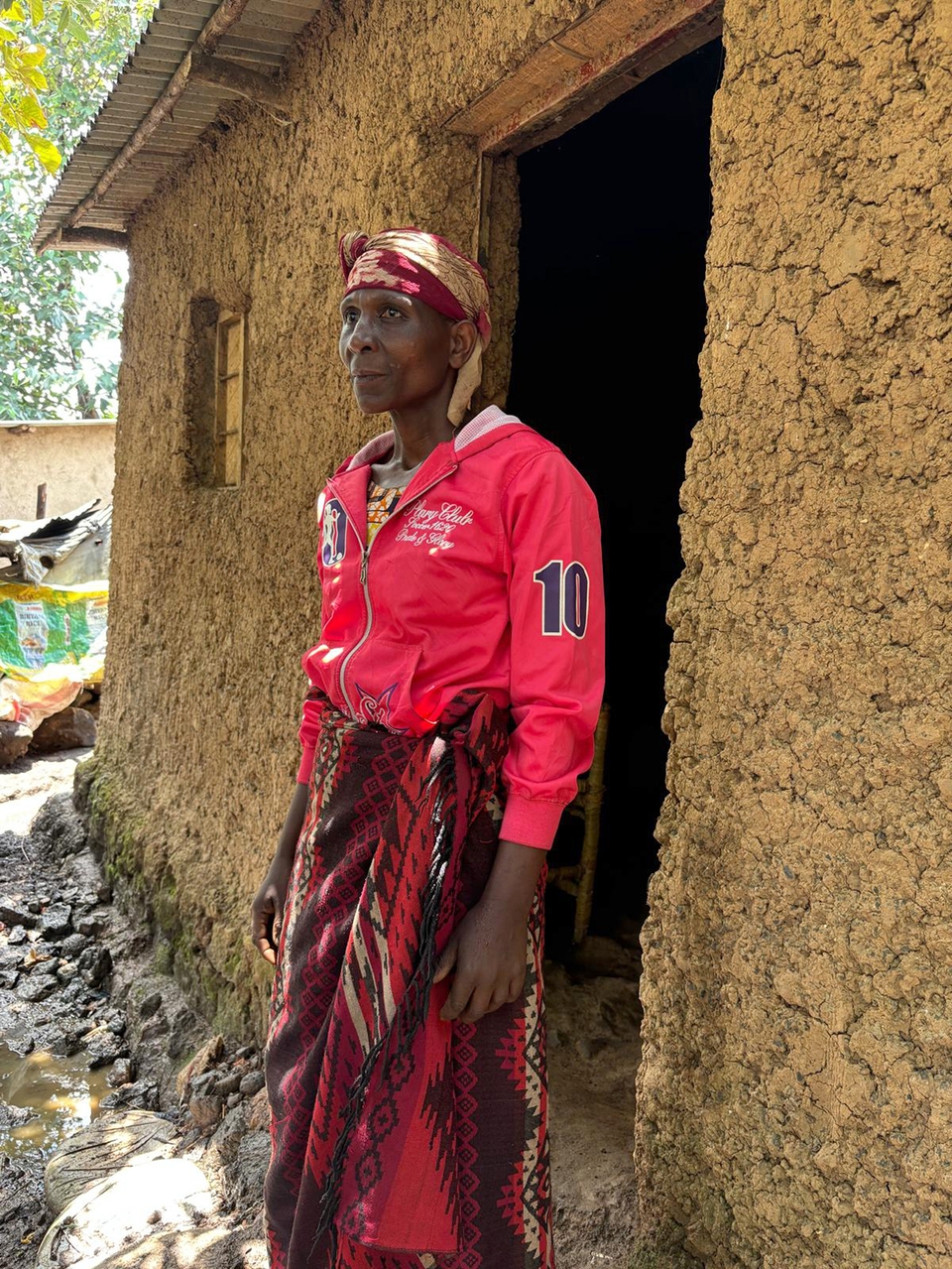
And in Kinigi, she met a woman who was part of the Pentecostal Church of Rwanda (ADEPR), which is the largest Protestant denomination in Rwanda and a Tearfund partner. The local self-help group had clubbed together to build her a home and to give her a cow, which was transforming her prospects.
"Among other things, I came away from the trip with a sense of what it feels like to be vulnerable as a woman," she said. "It seems as though women are outnumbered by men in a lot of contexts, and there is a hierarchy there. But I also came away with so many positive stories of how lives are being transformed, in some incredible ways. It's fascinating to see that Tearfund are working through local churches, and that it is people's Christian faith that is being mobilised to help groups to work their way out of poverty."